Choosing the best fence material for a Phoenix property is a fundamentally different decision than anywhere else in the country. Summer temperatures exceeding 110°F, over 300 days of annual sunshine, monsoon wind events, and caliche-hardened soil make Arizona one of the most demanding environments a fence can face. The wrong material won’t just look bad in a few years — it can fail structurally and cost far more in repairs than planned.
Top Fence Materials That Survive Arizona Desert (2026)
- Material performance varies significantly — what holds up in other regions often fails in Phoenix’s combination of extreme heat, UV exposure, monsoon moisture, and caliche soil
- Metal options lead in longevity — aluminum, galvanized chain link, and properly coated steel consistently outperform wood and lower-grade synthetics in the Arizona desert
- Powder-coated steel resists UV breakdown for 15 to 25 years with minimal maintenance — one of the most cost-effective long-term options for Southern Arizona properties
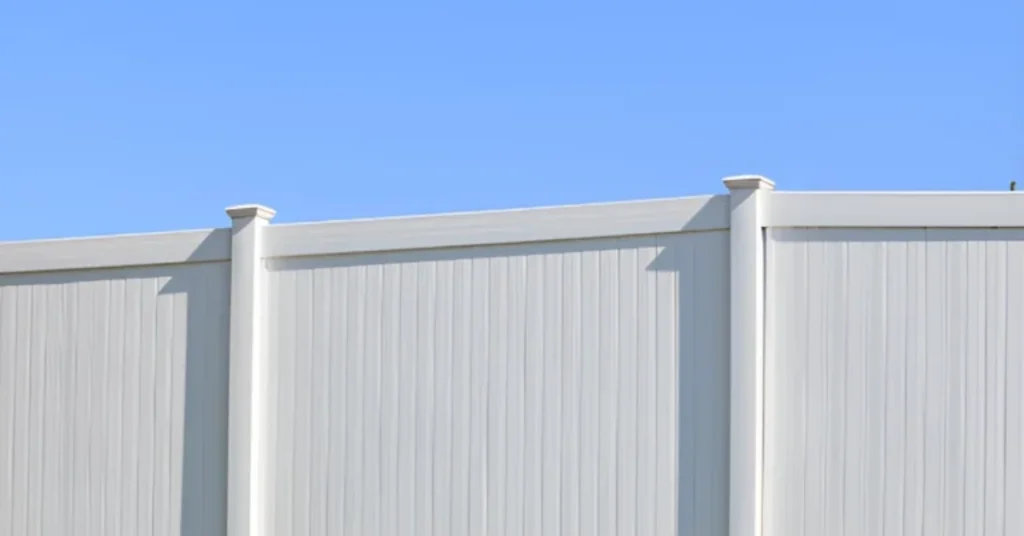
- High-grade vinyl is a strong, low-maintenance alternative — UV-stabilized vinyl engineered for desert conditions can last 20–50 years without painting, staining, or rust treatment
- Installation quality is as important as material choice — deeper post holes, caliche penetration, and proper expansion gaps are non-negotiable in Phoenix’s climate
Arizona’s Unique Climate Challenges for Fencing Materials
Phoenix presents a set of overlapping stressors that standard fencing solutions aren’t always designed to handle. Extreme heat stretches materials daily, dust storms blast surfaces with abrasive debris, and monsoon season delivers sudden wind, rain, and impact forces that test every post, panel, and fastener. UV radiation fades finishes, accelerates cracking, and degrades structural integrity in materials not specifically formulated for desert exposure.
Understanding these stressors is the first step toward making a smart, long-lasting fencing investment.
Chain Link: The Most Durable Solution for Desert Conditions
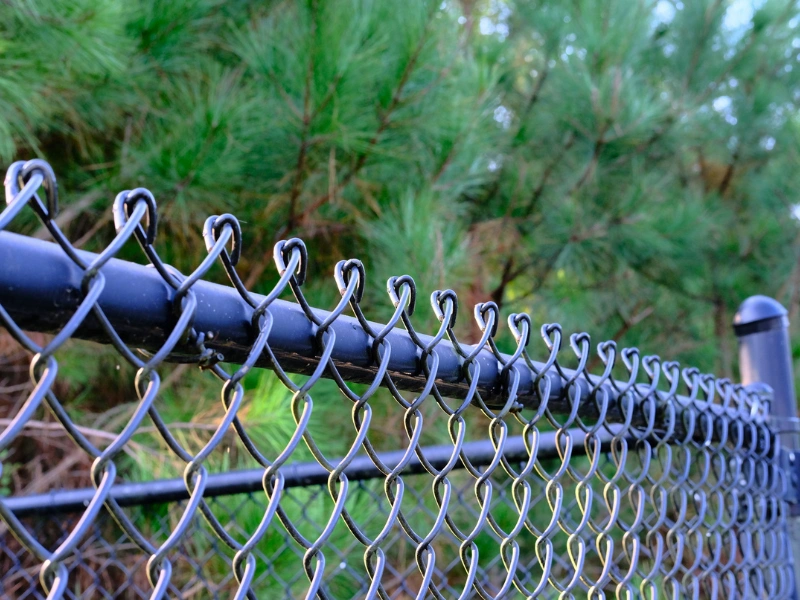
Chain link is consistently one of the top-performing fencing materials in Arizona’s harsh environment. Its open-mesh construction allows wind to pass through rather than build pressure against panels, and it doesn’t warp, crack, or absorb UV radiation the way solid-panel materials do. For Phoenix homeowners, chain link offers two key finish options suited to the desert:
- Galvanized chain link provides a rust-resistant zinc coating that holds up against monsoon moisture and irrigation runoff
- PVC-coated chain link adds UV protection and comes in colors that blend naturally with residential landscapes
- Both finishes resist warping, cracking, and UV degradation better than wood or lower-grade synthetics
- Open-mesh construction reduces wind load pressure during monsoon events — a structural advantage solid panels can’t match
Both options are significantly more resilient in desert heat than wood or lower-grade synthetics.
Aluminum Fencing: Low-Maintenance Elegance
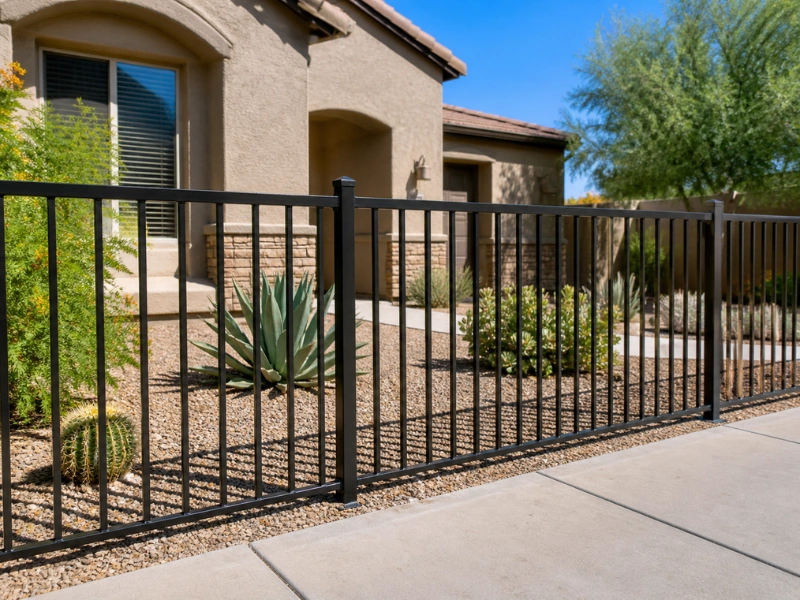
Aluminum is an excellent choice for homeowners who want an attractive, low-maintenance fence that genuinely performs in the desert. Here’s why aluminum stands out as a desert-ready fencing material:
- No rust or corrosion — naturally resists moisture from irrigation systems and monsoon runoff without any special treatment
- Powder-coated finishes add UV protection and color stability, maintaining appearance through years of intense sun exposure
- Won’t warp, crack, or absorb moisture — aluminum is made to handle harsh conditions, holding its shape and finish through Phoenix’s extreme heat cycles
- Ideal for pool enclosures and decorative borders where beauty and functionality need to coexist
Aluminum delivers the elegance of ornamental iron without the maintenance burden, making it one of the most practical long-term investments for Phoenix properties.
Steel Fencing Materials: Strength with Special Considerations
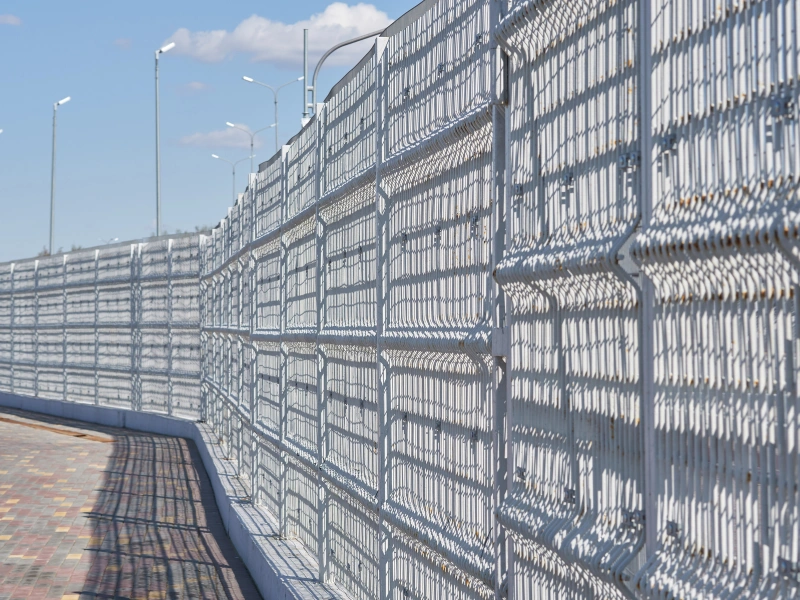
Wrought iron and tubular steel deliver unmatched strength and visual character, but they require thoughtful treatment to perform well in Arizona. The right finish makes all the difference for steel in the desert:
- Galvanized steel uses a zinc coating via hot-dip or electro-galvanizing to resist corrosion — the go-to for commercial security fencing
- Powder-coated steel offers a thicker, UV-resistant finish in a wide range of colors, preferred for decorative wrought iron at residential properties
- Powder-coat finishes shield against UV rays and dust abrasion, particularly when applied at commercial-grade thickness.
- Both treatments are essential — untreated steel in Phoenix’s monsoon-moisture environment will show surface oxidation within a single season
With proper treatment, wrought iron can last decades in Phoenix’s climate and adds lasting curb appeal and security to any property.
Wood Fencing in the Desert: Challenges and Solutions
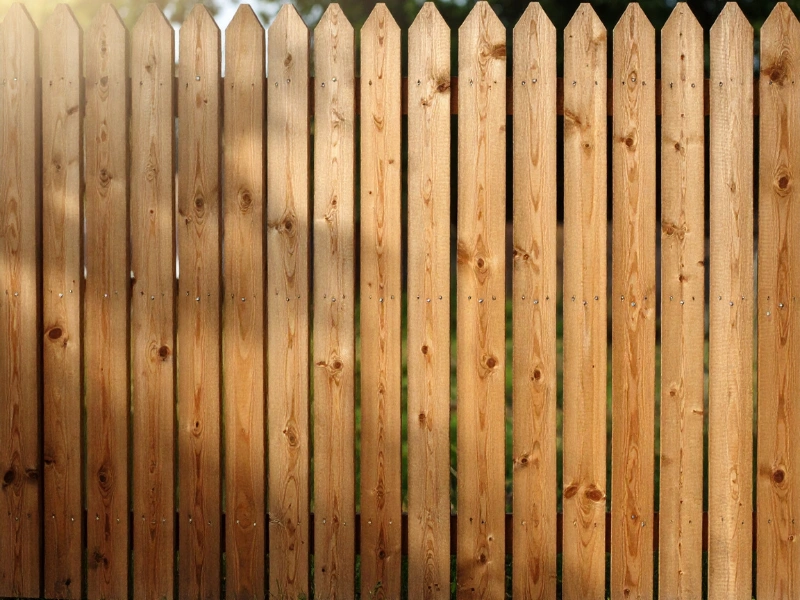
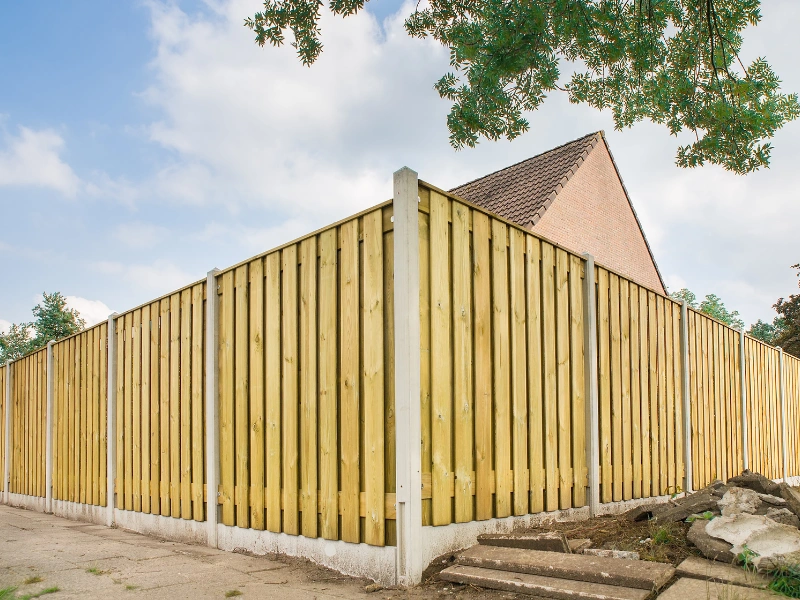
Wood fencing remains a popular choice for Phoenix homeowners due to its natural warmth and visual versatility — but it requires more ongoing attention than metal or synthetic alternatives. Species selection and maintenance routine are the two biggest factors in wood fence longevity here:
- Among wood options, cedar and redwood hold up best in Arizona’s climate, offering natural resistance to rot and insects that other wood varieties lack.
- Pine is more budget-friendly but typically requires more treatment and maintenance in desert conditions
- Annual sealing or staining is essential to prevent UV-driven graying and surface cracking
- Post depth matters — installation into stable soil below the caliche layer is critical to long-term structural integrity
For homeowners who love the natural look, wood remains a viable option — as long as expectations around maintenance are set upfront.
Composite and Vinyl: Modern Alternatives
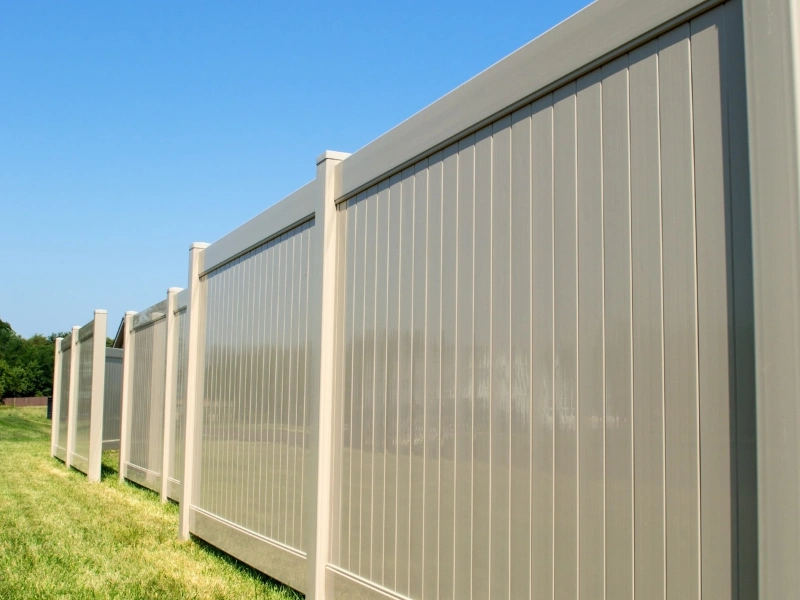
Vinyl and composite fencing materials have improved dramatically and now represent a strong option for Phoenix homeowners seeking minimal upkeep. What makes high-grade vinyl and composite a smart desert choice:
- UV stabilizers (like titanium oxide) prevent yellowing, brittleness, and color fade under Phoenix’s 300+ days of annual sunshine
- Lifespan of 20–50 years for high-grade UV-protected vinyl, depending on product quality and maintenance
- Minimal thermal expansion — vinyl resists temperature-driven movement, a key advantage in Phoenix’s extreme daily temperature swings
- No painting, sealing, or rust treatment required — one of the lowest-maintenance options available
Professional installation with appropriate expansion gaps is essential for large panel runs in Phoenix’s climate.
One-Stop Shop: Professional Installation Considerations
Selecting the right fencing material is only half the equation — how it’s installed directly determines how long it lasts in Arizona’s climate. What sets professional desert installation apart:
- Deeper post holes — sandy soil and monsoon flash flooding require posts set well below standard depth specifications
- Caliche penetration — specialized hydraulic equipment is required to break through the concrete-hard caliche layer found throughout much of the Valley
- UV-resistant formulations — material and hardware selection must account for Phoenix’s 300-plus days of annual sunshine
- Permitting guidance — local codes vary by municipality across the Phoenix metro area
Our team provides end-to-end service — consultation, material selection, permitting, installation, and post-project support backed by a written warranty.
Cost Analysis: Best Value Fencing Materials for Phoenix Properties
Here’s a general cost and longevity comparison for the most common fencing materials in Phoenix:
| Material | Avg. Installed Cost | Est. Lifespan in AZ | Maintenance Level |
|---|---|---|---|
| Chain Link | $15–$30/linear ft | 20–30+ years | Low |
| Aluminum | $25–$45/linear ft | 20–30+ years | Very Low |
| Vinyl (UV-grade) | $20–$40/linear ft | 20–50 years | Very Low |
| Wood (Cedar) | $20–$35/linear ft | 10–20 years | High |
| Wrought Iron/Steel | $30–$55/linear ft | 30–50 years | Moderate |
Long-term value in Arizona always factors in maintenance costs, not just the upfront price. Learn more about the benefits of investing in quality residential fencing.
Commercial Fencing Materials: Heavy-Duty Requirements
Commercial properties in Phoenix face elevated demands — perimeter security, access control compliance, and materials that hold up under constant use and environmental stress. The most reliable materials and solutions for Phoenix commercial fencing projects:
- Galvanized chain link with security toppings — barbed wire or razor wire options for high-security perimeter control
- Tubular steel and heavy-gauge aluminum — strong, weather-resistant options for long-term commercial installations
- Temporary fence panels — flexible solutions for construction sites, events, and phased development projects
- Automated gates — slide or swing operators with telephone entry and remote access integration for any perimeter
If your commercial property has experienced fence damage, our guide on fence repair covers what you need to know.
Transform Your Property with Expert Fence Material Selection
Ready to get started on your fencing project? Reach out to the AZ Fence team today to schedule a free consultation or request a no-obligation estimate.
- Phone: 480-508-1998
- Request a Free Quote: Get your free fencing quote today
- Email: sales@theazfencecompany.com
Frequently Asked Questions About Desert Fencing Materials
What fence material lasts the longest in Arizona’s climate?
Properly treated steel (wrought iron) and commercial-grade aluminum tend to offer the longest service life in Phoenix — often 30 to 50+ years with appropriate coatings and maintenance. High-grade UV-stabilized vinyl is also a strong long-term performer. Chain link is the most consistently durable value option, routinely lasting 20 to 30 years with minimal attention.
What is the best time of year to install fencing in Phoenix?
Fall and winter — roughly October through February — are the optimal months for fence installation in Phoenix. Cooler temperatures make ground work easier, materials behave more predictably during installation, and labor availability is generally better. Summer installation may cost more due to extreme temperatures affecting labor schedules. Spring installations before monsoon season are also practical, giving posts and concrete footings time to cure and set fully before the wind and rain loads of summer arrive.