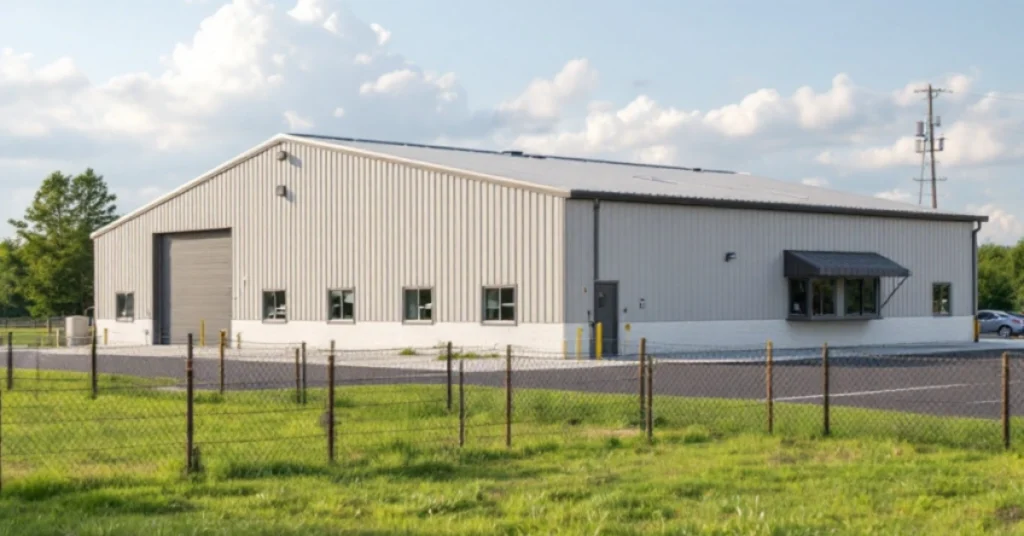
Chain link fence installations vary significantly — and in Phoenix, those differences have real consequences. Material choices directly shape how a fence performs under extreme heat, monsoon-driven wind loads, and intense UV exposure. For businesses evaluating commercial chain link fencing Phoenix installations, these material differences directly determine long-term performance and security. Selecting the right components from the start determines how long your fence lasts and how much upkeep it demands across both residential and commercial applications.
How Chain Link Materials Perform in Phoenix Conditions
- Galvanized vs. vinyl-coated: Galvanized is the industry baseline; vinyl-coated adds a critical second layer of UV and corrosion protection — often worth the modest upfront premium in Phoenix’s climate
- Wire gauge matters more than most buyers realize: Lower-gauge numbers mean thicker, stronger wire — 9-gauge outperforms 11-gauge significantly in impact resistance and long-term security
- Framework specs determine lifespan: Terminal posts set in concrete at proper depth, continuous top rails, and correctly tensioned fabric are what separate a 15-year fence from a 25-year one
- Hardware is the weak link: Gate hinges, tension bands, and tie wires fail first when inferior materials are used — galvanized is the minimum; stainless is the upgrade worth considering for high-use applications
- Phoenix climate demands climate-specific specs: Post-embedment depth, fabric tensioning, and thermal expansion allowances all need to account for 115°F+ summers and monsoon-season wind gusts
Understanding Chain Link Fence Material Options for Phoenix Properties
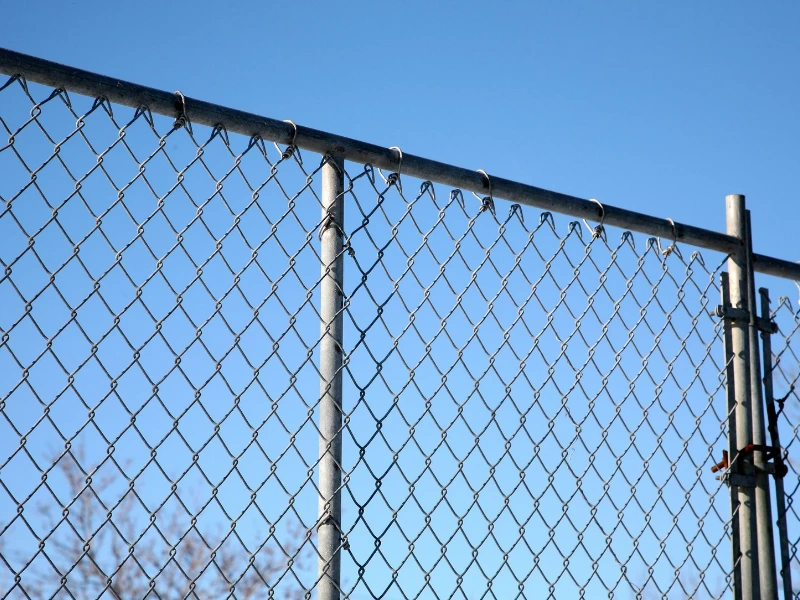
Chain link fabric — steel wire woven into a diamond mesh pattern — is resilient, economical, and durable. The coatings, gauges, and hardware layered on top of that core are where real performance differences emerge. The right materials push your fence’s lifespan well past 20 years; the wrong ones invite rust, UV degradation, and post failure.
For both residential fencing and commercial fence installation across the Valley, we match material specs to your performance goals and budget.
Core Wire Materials: Galvanized vs. Vinyl-Coated Chain Link Systems
Galvanized Steel Chain Link: Traditional Durability Standards
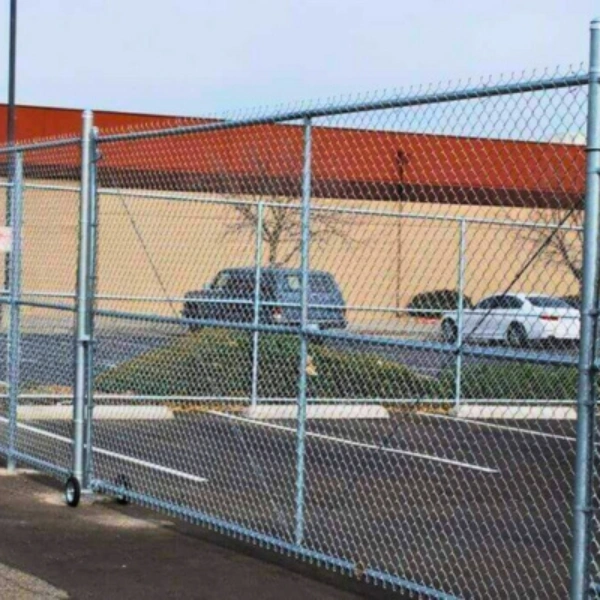
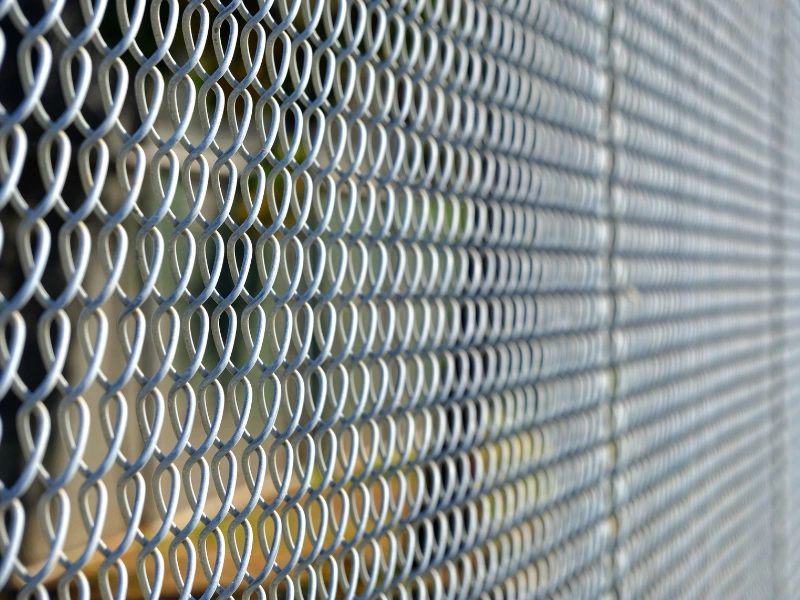
Hot-dip galvanized chain link is the industry baseline — zinc-coated steel that resists moisture and the oxidizing effects of Arizona sunlight. Wire gauge is the key variable:
- 9-gauge fabric: Noticeably sturdier and better suited for impact resistance and long-term security — the right choice for commercial and high-security applications
- 11-gauge fabric: The standard entry point for residential perimeters where budget is the primary driver
- Lifespan: A properly maintained chain link fence has a life expectancy of around 15 years, though it can sag and expand over time when exposed to the elements
Gauge selection is a long-term decision — not just a cost-cutting one.
Vinyl-Coated Chain Link: Enhanced Protection and Aesthetics
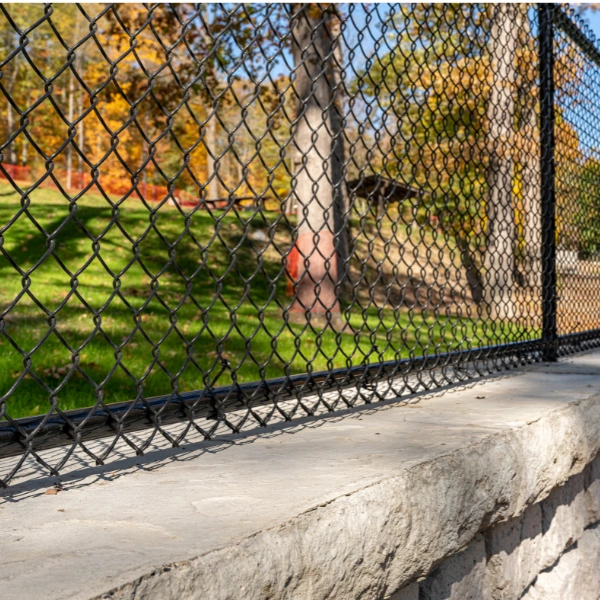
Vinyl-coated chain link adds a polymer layer over galvanized steel wire — a meaningful upgrade for Phoenix properties that want better long-term performance and aesthetics. Key advantages over bare galvanized:
- Lifespan: Costs more upfront, but can increase your fence’s lifespan to 20 to 30 years and requires less maintenance over time
- Color options: Typically black, green, brown, and white — blend into landscaping or match commercial aesthetics
- UV and thermal protection: The polymer coating insulates the wire from direct solar contact, reducing thermal stress during Phoenix’s peak summer months
- Aesthetics: For residential applications like backyard enclosures or Arizona garden fences and gates, the visual improvement over bare galvanized wire is significant
For most Phoenix property owners, the added upfront cost pays for itself in reduced maintenance and extended service life.
Framework Components: Posts and Rails That Determine Fence Longevity
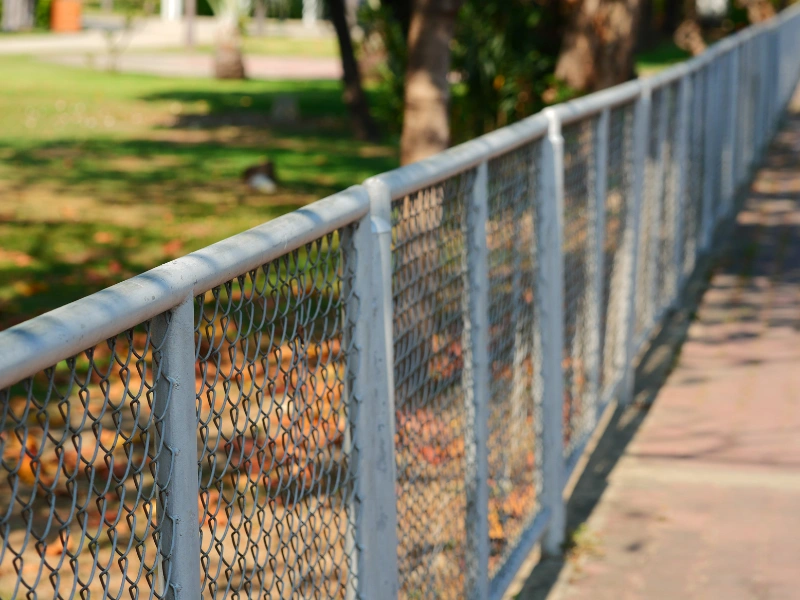
The chain link fabric only performs as well as the framework holding it. The key components and what they require:
- Terminal posts: Carry the most structural load — must be set in concrete at 2 to 3 feet deep, depending on fence height and soil conditions
- Line posts: Spaced every 10 feet along the fence run to keep fabric taut and aligned
- Top rails: Tie the system together horizontally and distribute the lateral load across the full fence length
- Framework material: Galvanized steel for residential installations in areas like Cave Creek and Paradise Valley; heavier schedule pipe or vinyl-coated framework for commercial settings
Undersized or improperly set posts are among the most common causes of premature fence failure in the Phoenix market.
Hardware and Fastening Systems: The Critical Connection Points
Gates, tension bands, rail end caps, tie wires, and brace bands may seem like secondary concerns — but they’re frequently the first components to fail when inferior materials are used. The components that matter most, and the standards each one needs to meet:
- Galvanized vs. stainless hardware: Galvanized is the minimum standard; stainless steel offers superior corrosion resistance in high-use or coastal-adjacent environments
- Gate hinges and latches: Bear the most mechanical stress in any fence system — must be heavy-duty, properly aligned, and matched to the gate’s weight
- Tension wire: Runs along the bottom of the fence fabric to keep it secured against the ground — critical in Phoenix, where monsoon winds create uplift forces along fence lines
Quality hardware is what keeps a fence system intact over the long term — don’t let it be an afterthought.
Cost-Performance Analysis: Material Investment vs. Long-Term Value
Understanding where your budget goes helps you make smarter material decisions from the start.
- Per linear foot cost: Chain link fence installation in Phoenix costs between $6 and $31 per linear foot, including materials and labor, with an average range of $8 to $16 per linear foot
- Typical project cost: For 200 linear feet at 4 feet tall, expect to pay roughly $1,900 to $2,500 installed
- Vinyl-coated upgrade: Adding a vinyl coating typically adds 15–25% to material costs, but extends fence lifespan by 5 to 15 years — a clear long-term value for most Phoenix property owners
- Labor share: Labor accounts for around 50% of the total installation cost, meaning material upgrades represent a smaller share of the overall budget than many homeowners expect
Maintenance Requirements Based on Material Choices
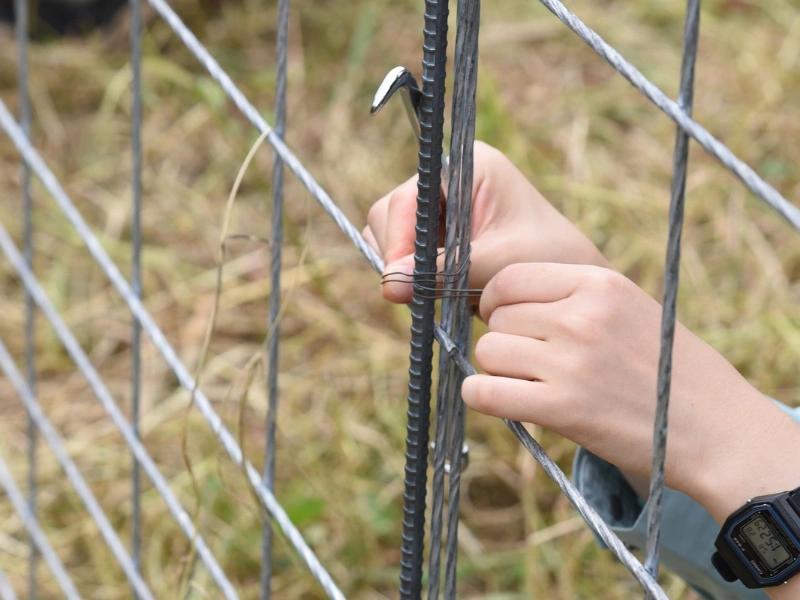
Unlike a wood fence, chain link requires minimal upkeep — but a simple annual routine keeps your fence performing at its best regardless of material choice. The specific tasks vary slightly, depending on whether your system is galvanized or vinyl-coated:
- Galvanized systems: Wash periodically with soapy water, a brush, and a hose; inspect annually for rust spots, particularly at tension band and tie wire contact points where coating wear is most common
- Vinyl-coated systems: Inspect for coating cracks or chips and address them promptly before moisture reaches the underlying steel — otherwise, no staining, painting, or sealing is required
- Damaged fabric sections: Repair promptly before small issues expand into larger ones along the fence line
- Gate hardware: Lubricate seasonally to prevent wear and guarantee smooth operation year-round
Both galvanized and vinyl-coated chain link fences offer years of reliable performance with far less maintenance than wood or other fencing materials.
Why Choose Professional Installation for Your Phoenix Property?
Ready to get started on your chain link fence project? Reach out to our team today to schedule a free consultation or request a no-obligation estimate. We respond quickly, and our estimators are familiar with properties across the entire Phoenix metro area.
- Phone: 480-508-1998
- Request a Free Quote: Get your free fencing quote today
- Email: sales@theazfencecompany.com
Frequently Asked Questions About Chain Link Fence Materials and Installation
What is the average labor cost to install a chain link fence in Phoenix?
Labor accounts for approximately 50% of total chain link fence installation costs, with professional installers charging $20 to $40 per hour, depending on experience. Most jobs take between 24 and 72 hours to complete, though contractors typically quote a single project total rather than an hourly rate. Factors like site access, rocky soil conditions, slope, and permit requirements all influence labor time.
How do material choices affect the overall cost of 200 ft of chain link fencing?
Material selection has a direct impact on both upfront cost and total cost of ownership. Chain link fence cost in Phoenix ranges from $10 to $13 per linear foot installed for a 4-foot fence, with galvanized steel starting at lower price points than vinyl-coated options. For a 200-foot run, upgrading from a standard 11-gauge galvanized fabric to 9-gauge vinyl-coated fabric may add a few hundred dollars to the initial project cost, but can add a decade or more to your fence’s useful life.
What should property owners expect to pay for professional chain link fence installation?
Chain link fences range from $1,298 to $3,577 for most homeowners, with an average of $2,410 including materials and labor. Pricing varies by material grade, fence height, site conditions, and additional features like automated gates or access control. Always verify that your contractor is licensed and insured — see the About Arizona Fencing page for more on our credentials and approach to every project.