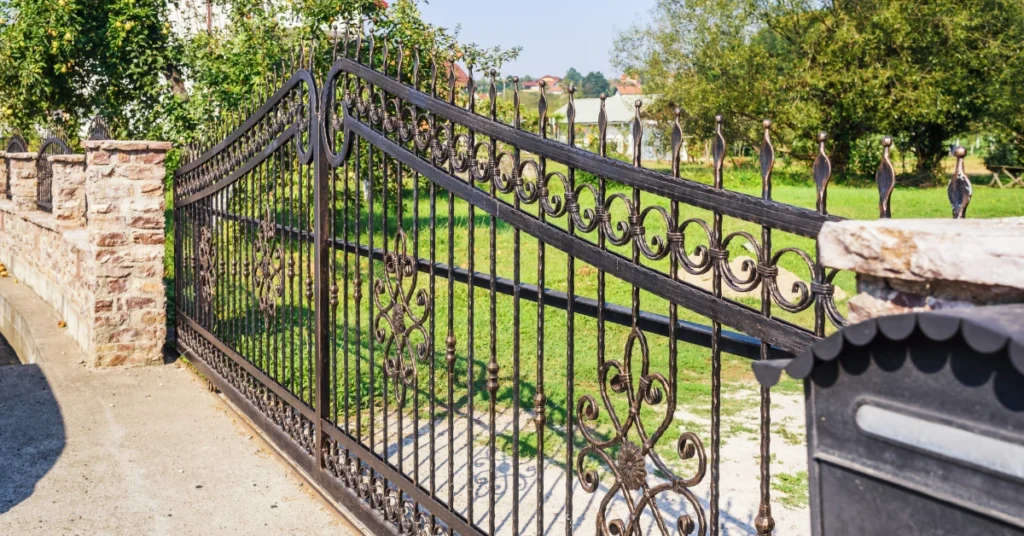
When Phoenix temperatures push past 115°F, the fencing material you choose isn’t just a style decision — it’s a performance decision. As experienced steel fence installers serving the greater Phoenix area, AZ Fence sees firsthand how different materials hold up under Arizona’s punishing desert climate.
Steel vs Wrought Iron: Best Metal Fence for AZ Heat
- Heat & durability: Galvanized steel handles Phoenix’s temperature swings without warping or cracking — making it the lower-maintenance option in desert climates
- Rust resistance: Steel’s carbon and alloy composition gives it a natural edge over wrought iron, which requires consistent coating and annual inspections to stay rust-free
- Design range: Wrought iron offers unmatched ornamental customization — scrolls, finials, arch gates — while steel delivers a cleaner, more modern aesthetic at a lower fabrication cost
- Cost difference: Steel typically installs for significantly less per linear foot than comparable wrought iron — a meaningful factor for larger Phoenix residential or commercial projects
- Longevity: With proper powder coating and annual upkeep, both materials can last decades — but steel’s rust resistance gives it a longer maintenance-free window in Arizona’s arid climate
Understanding Steel and Wrought Iron Fence Materials in Phoenix, Arizona
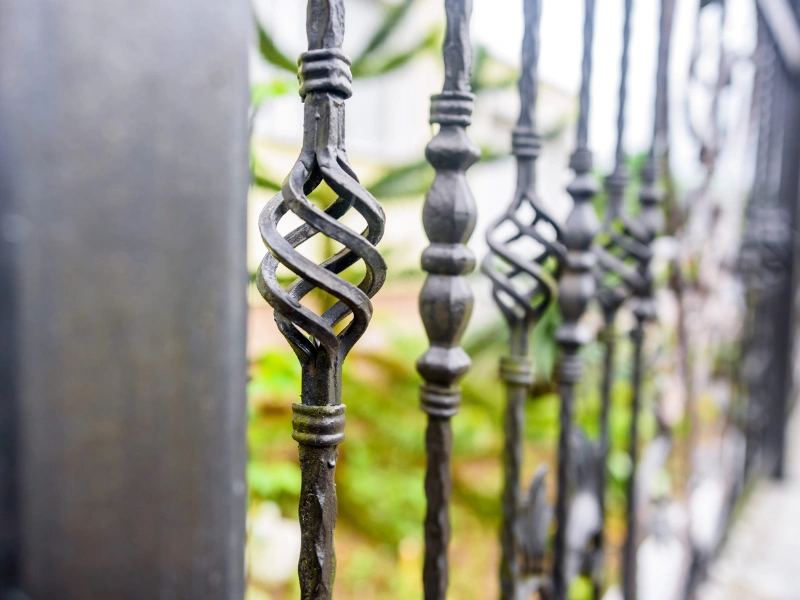
Unlike steel, which combines iron with carbon, wrought iron is made from iron alone.
Carbon makes steel a little stronger than wrought iron, which helps it withstand the elements and resist damage, while wrought iron is more naturally resistant to shock and vibration. While authentic wrought iron is rare today, most “wrought iron” fencing now uses mild steel designed to replicate the original look and feel.
How Phoenix, AZ, Heat Affects Metal Fencing Performance
Thermal Expansion and Contraction Challenges
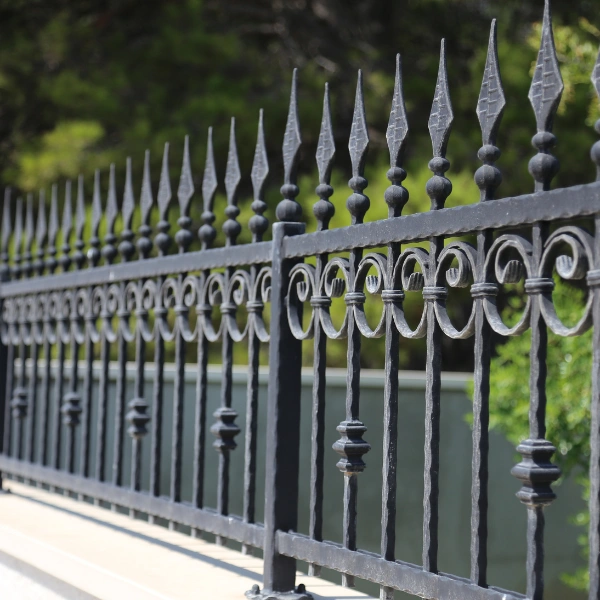
Extreme desert heat creates real engineering challenges for metal fence installation — here’s what Phoenix property owners need to know:
- Steel: Expands and contracts with temperature but returns to form without warping or cracking.
- Wrought iron: Behaves similarly, but its greater mass means it absorbs and retains more heat.
We incorporate proper expansion gaps on every installation.
Coating and Finish Durability Under Arizona Sun
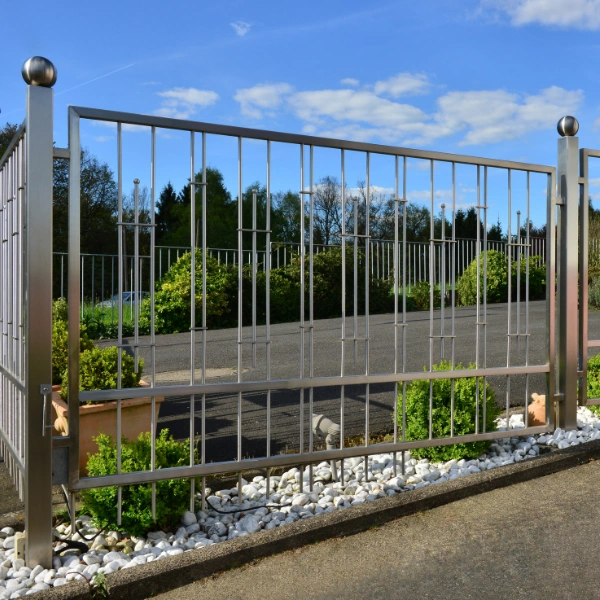
UV exposure is relentless in the Sonoran Desert — here’s how each material holds up against Arizona’s intense sun:
- Powder-coated steel: Resists UV breakdown for 15 to 25 years with minimal maintenance.
- Wrought iron: Hot-dip galvanized panels finished with UV-resistant powder coating resist rust, corrosion, and fading in any climate.
Galvanization adds a critical zinc-barrier layer that extends finish life under direct desert sun — we always recommend premium powder coating for any metal fencing installation in Phoenix, AZ.
Steel Fencing Advantages for Arizona Properties
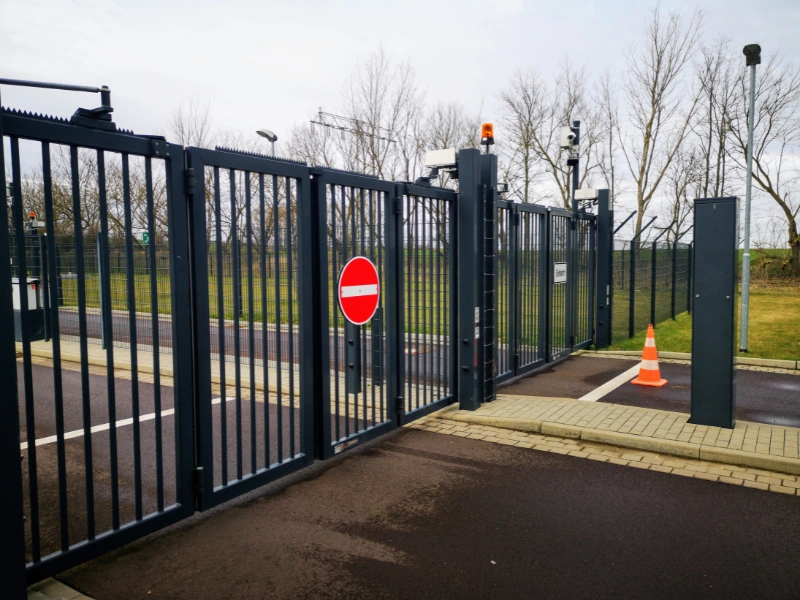
Steel is the performance leader for both residential and commercial fencing in Phoenix, AZ:
- Strength: More carbon content means greater impact resistance and flexibility — steel won’t snap under stress.
- Rust resistance: Galvanized zinc coatings make steel naturally resistant to corrosion in Arizona’s climate.
- Low maintenance: Protective coatings hold up against intense sun and monsoon moisture with minimal upkeep.
- Design versatility: From ornamental picket designs to heavy-gauge security fencing for commercial perimeters.
- Cost efficiency: Installs for significantly less per linear foot than wrought iron — ideal for larger projects.
Custom Wrought Iron Benefits and Limitations
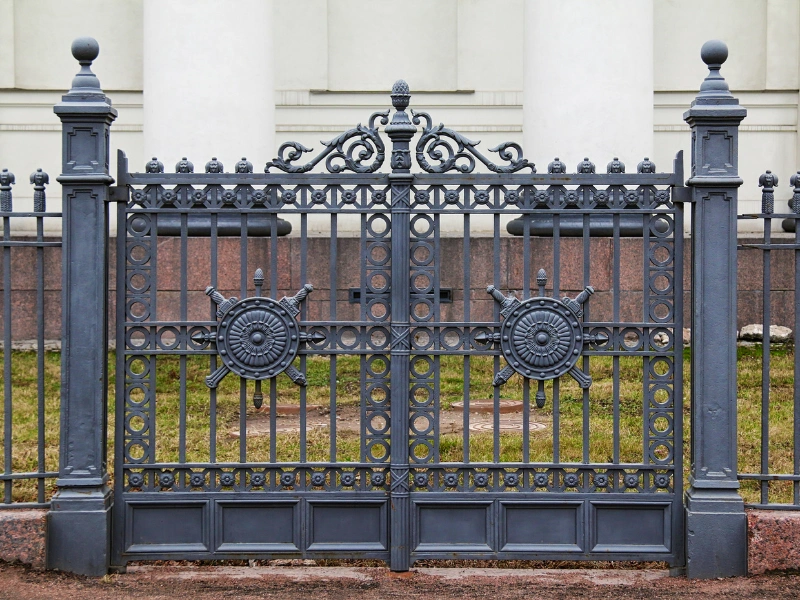
Here’s what property owners in Paradise Valley, Scottsdale, and across Maricopa County should know about wrought iron’s benefits and trade-offs:
- Unmatched aesthetic character: No other fencing material replicates wrought iron’s ornamental presence.
- Design flexibility: More malleable than steel, wrought iron can be shaped into scrolls, arch gates, finials, and ornamental entryways.
- Exceptional strength: Dense and incredibly strong — a serious deterrent for security-conscious homeowners and estate properties.
- Maintenance requirements: Prone to rust without regular upkeep — requires annual inspections, cleaning, and fresh protective coatings.
- Weight and installation complexity: Significantly heavier than steel, requiring skilled professional installation and adding to project labor costs.
Cost Analysis: Steel vs Wrought Iron Fence Installation
Budget is always a real factor, and steel vs wrought iron fencing covers a wide price range. Here’s a quick cost breakdown for Phoenix property owners:
- Steel materials: Steel fencing is often a more affordable option, with prices typically ranging from $20–$30 per linear foot.
- Wrought iron materials: Wrought iron fences typically start around $25–$35 per linear foot for materials.
- Installed costs: A steel fence costs $20 to $80 per linear foot installed, while a wrought iron fence costs $50 to $85 per linear foot installed.
- Labor: For a 200-foot installation, labor alone can range from $900 to $2,400, with the average fence contractor taking around 30 hours to complete the project.
Explore our benefits of residential fencing guide for more on how fencing adds long-term value to your property.
Maintenance Requirements in Desert Climates
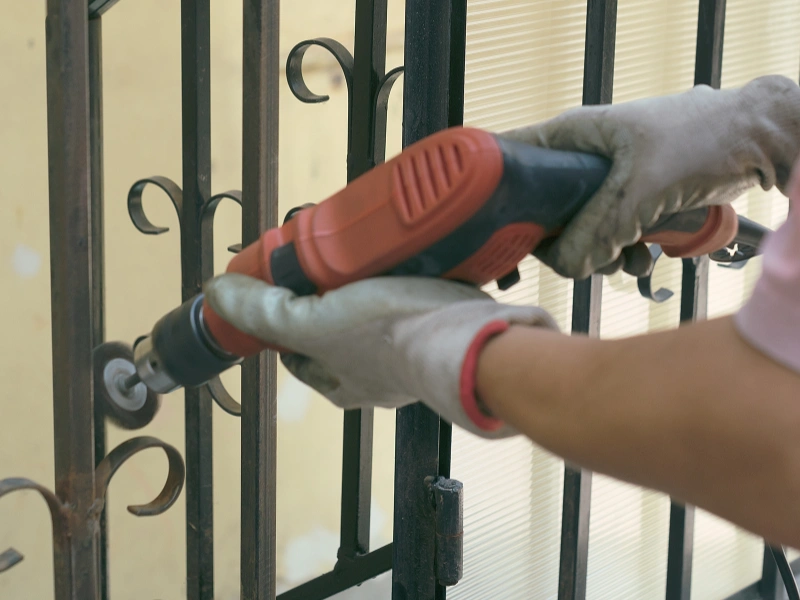
Here’s what routine upkeep looks like for each material in Arizona’s desert climate:
- Steel — annual inspection: Check for coating chips and touch up with rust-inhibiting primer as needed; powder-coated steel typically requires minimal intervention between inspections.
- Wrought iron — cleaning: Wrought iron fences should be inspected annually for any signs of damage or wear; proper maintenance includes cleaning with mild detergent and water to remove dirt.
- Wrought iron — protective coating: Apply a fresh coat of paint or sealant annually to shield the iron from the elements and prevent rust from taking hold.
- Long-term payoff: A well-maintained wrought iron fence can last 50 to 100 years — making the annual upkeep worthwhile for homeowners focused on durability and long-term property value.
Choosing the Right Fence Contractor in Phoenix, AZ
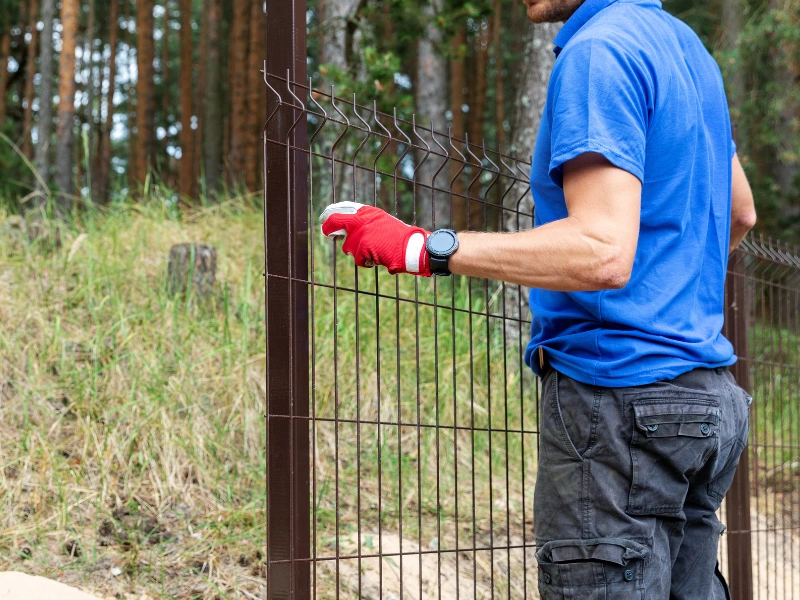
When selecting a fence contractor in Phoenix, AZ, look for:
- Licensing, bonding, and insurance: Any reputable contractor should carry all three — this protects you from liability and guarantees a baseline of professionalism.
- Arizona-specific experience: Look for verifiable experience with both steel and wrought iron installations in desert climates — caliche soil, UV exposure, and monsoon conditions require local know-how.
- Established track record: Choose a company that has been in business for 5+ years, and avoid choosing the cheapest bid, which typically results in low-quality work.
- Transparent, itemized quotes: A trustworthy contractor provides clear breakdowns of material, labor, and project scope — not vague estimates that shift after the job starts.
We meet every one of these standards and bring the hands-on expertise that fencing projects in Phoenix, AZ, demand.
Making the Right Choice for Your Phoenix Property
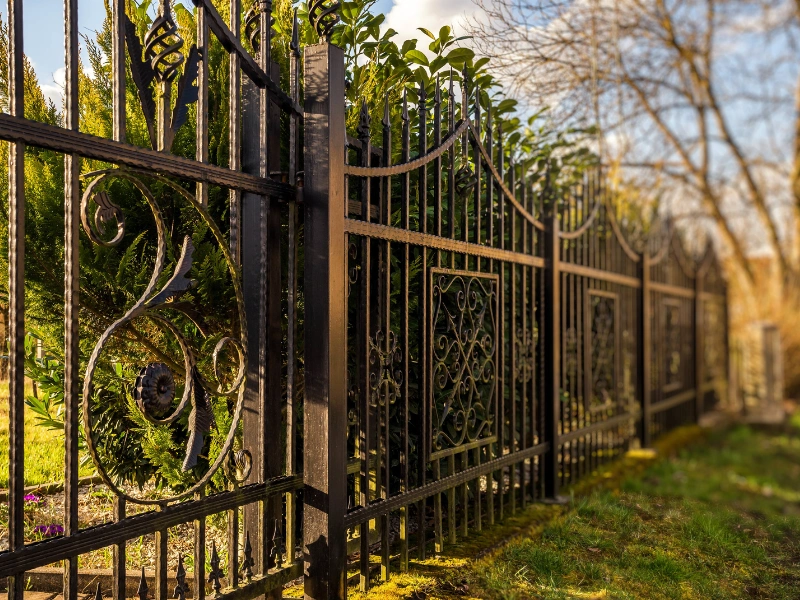
The right fencing material comes down to four factors: budget, maintenance capacity, aesthetic goals, and intended use. Each property — and each owner — weighs those factors differently, and there’s no single right answer.
Here’s how to match the right material to your specific situation:
- Commercial or high-traffic properties: Steel is the clear choice — stronger, lower-maintenance, and more cost-effective at scale for commercial property perimeters and security fencing.
- Budget-conscious homeowners: Steel installs for significantly less per linear foot than wrought iron, making it the smart pick for larger projects without sacrificing durability or curb appeal.
- Elegance and craftsmanship first: Custom wrought iron is the right investment when long-term property value and ornamental character take priority — provided the owner is committed to annual upkeep.
The AZ Fencing team helps property owners across Phoenix, Mesa, Chandler, Scottsdale, Tempe, and Maricopa County weigh the trade-offs and land on the right material for their unique situation.
Get Expert Steel Fence Installation Services in Phoenix
Ready to get started on your fencing project? Reach out to our team today to schedule a free consultation or request a no-obligation estimate. We respond quickly, and our estimators are familiar with properties across the entire Phoenix metro area.
- Phone: 480-508-1998
- Request a Free Quote: Get your free fencing quote today
- Email: sales@theazfencecompany.com
Whether your fencing needs are simple or complex, AZ Fence is ready to help you choose the right fencing material, install it professionally, and support it for years to come.
Frequently Asked Questions About Metal Fencing in Arizona
How much does labor cost to install a metal fence in Phoenix?
The labor cost to install a metal fence is $5 to $25 per linear foot minimum, though Phoenix-area projects often reflect local market conditions, material complexity, and site-specific challenges like caliche soil or custom panel configurations. Ornamental and wrought iron installations typically fall at the higher end of the labor range due to the skill and precision required.
What’s the typical cost difference between steel and wrought iron fencing?
Steel is generally the more affordable option, while wrought iron costs significantly more due to the labor-intensive refining process it requires. For Phoenix homeowners, steel typically installs for 30–50% less than comparable wrought iron, though the long-term maintenance costs for wrought iron can offset some of that gap when the fence is properly cared for. Your specific project design, linear footage, and material choice will all affect the final number.